
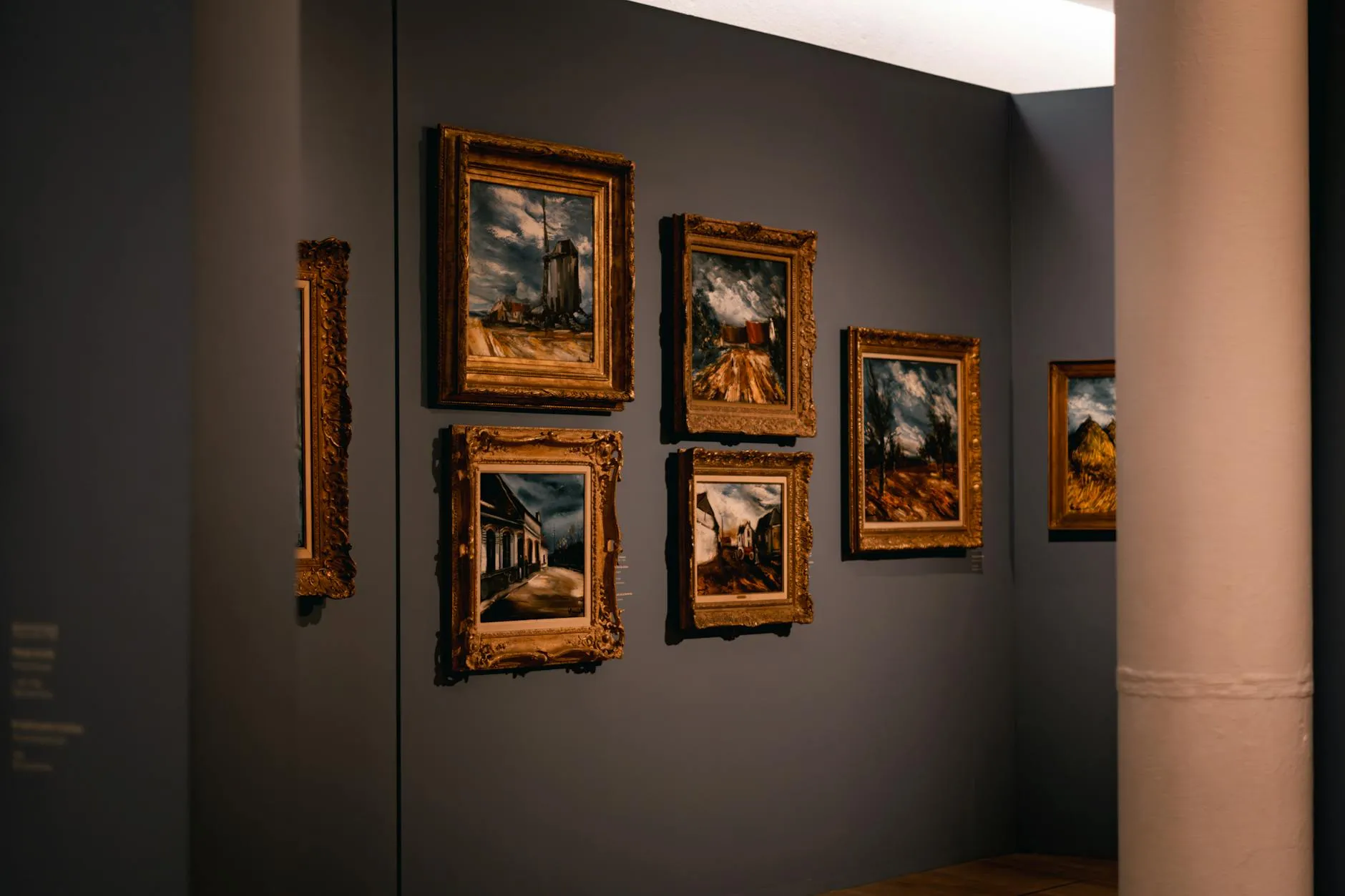
For families with significant art holdings, succession planning presents unique challenges that go beyond typical estate considerations. Art collections represent both financial assets and cultural heritage, requiring strategies that honor both dimensions.
Understanding Art as a Special Asset Class
Art differs from other estate assets in several important ways:
Illiquidity: Unlike stocks or real estate, art cannot be quickly converted to cash without potentially accepting below-market prices.
Valuation complexity: Art values fluctuate based on artist reputation, market trends, condition, provenance, and cultural relevance. These factors require specialized expertise to assess.
Physical fragility: Improper storage, handling, or environmental conditions can permanently damage value.
Emotional significance: Collections often reflect the collector’s taste, relationships with artists, and life experiences.
Pre-Planning: The Foundation of Successful Succession
Documentation
Comprehensive documentation serves multiple purposes:
- Provenance records establish authenticity and ownership history
- Condition reports capture current state and any restoration history
- Acquisition records establish cost basis for tax purposes
- Insurance appraisals ensure adequate coverage and provide valuation evidence
Professional Relationships
Establish relationships with:
- Art advisors who understand your collection
- Conservators for ongoing care and condition assessment
- Insurance specialists in fine art coverage
- Legal counsel experienced in art law
These professionals should understand your succession preferences before they’re needed.
Allocation Strategies
Equal Division vs. Collection Integrity
The tension between fairness among heirs and maintaining a collection’s integrity is central to art succession planning.
Arguments for keeping collections intact:
- Scholarly and historical significance of the collection as a whole
- Economies of scale in insurance, storage, and management
- Enhanced market value when sold as a collection
- Fulfillment of the collector’s curatorial vision
Arguments for division:
- Fairness among multiple beneficiaries
- Practical considerations (space, interest, capability)
- Liquidity needs of the estate or heirs
- Different aesthetic preferences among family members
Hybrid Approaches
Many families find success with hybrid strategies:
- Core and satellite: Keep signature pieces together while distributing secondary works
- Rotating custody: Important works move between family members on scheduled intervals
- Family foundation: Establish a foundation to hold major works with family involvement in governance
- Museum loans: Place key works on long-term loan to institutions while retaining family ownership
The Role of Preference Gathering
Understanding each heir’s genuine interest in specific works is essential. Some considerations:
- Private expression: Allow heirs to indicate preferences without seeing others’ choices to prevent influence
- Rationale capture: Ask heirs to explain their interest. Is it aesthetic, sentimental, or investment-driven?
- Capacity assessment: Can each heir properly care for, store, and insure the works they want?
- Conflict identification: Where multiple heirs want the same piece, early identification allows time for resolution
Tax and Legal Considerations
Art succession involves complex tax implications:
- Estate tax: Art is included in the taxable estate at fair market value
- Capital gains: Heirs receive stepped-up basis, but subsequent sales trigger capital gains
- Charitable donations: Donating to museums can provide tax benefits while ensuring public access
- Qualified appraisals: Required for tax purposes on items over $5,000
Work with advisors who specialize in art-related tax planning. The stakes are too high for general guidance.
After the Transfer
Succession planning doesn’t end at distribution. Consider:
- Condition monitoring: Regular professional assessment of works
- Insurance review: Ensure each heir has appropriate coverage
- Documentation transfer: Provide complete files to new owners
- First-refusal agreements: Give family members opportunity to purchase if an heir wants to sell
- Collection records: Maintain shared documentation of the original collection’s current disposition
The Human Element
Throughout this process, remember that art collections are deeply personal. The collector spent years, perhaps a lifetime, assembling these works. Honoring that legacy means:
- Understanding the collector’s intentions and values
- Respecting relationships between works
- Ensuring continued appreciation and care
- Maintaining family harmony through the process
Art succession, done well, extends the collector’s vision into future generations while adapting to new circumstances and custodians.